
CNC Machining Process Comparison: 3‑Axis, 3+2‑Axis and 5‑Axis Machining Explained
For custom precision non‑standard parts, prototype sampling and low‑volume production, most R&D engineers and procurement specialists face a common puzzle. Given identical engineering drawings, suppliers may quote 3‑axis, 3+2‑axis or even full 5‑axis machining. Many believe more machine axes automatically deliver higher precision, yet this assumption is misleading. A proper CNC machining process comparison will help you pick the right manufacturing technology.
No single machining method is universally superior. Each has its suitable application scenarios within CNC machining process comparison. Specifying higher‑axis‑count machines blindly will inflate costs. Conversely, chasing low‑cost yet inadequate processes may trigger fixturing errors, dimensional out‑of‑tolerance and component scrap.
Drawing on real‑world experience from high‑precision workshops, imported 5‑axis machine standards and mature precision‑manufacturing workflows, this article carries out a practical CNC machining process comparison. It covers core features, pros, cons and real‑world use‑cases to help you avoid costly mistakes for custom precision non‑standard parts and prototype sampling and low‑volume production.
1. 3‑Axis Machining: Cost‑Effective Baseline Solution
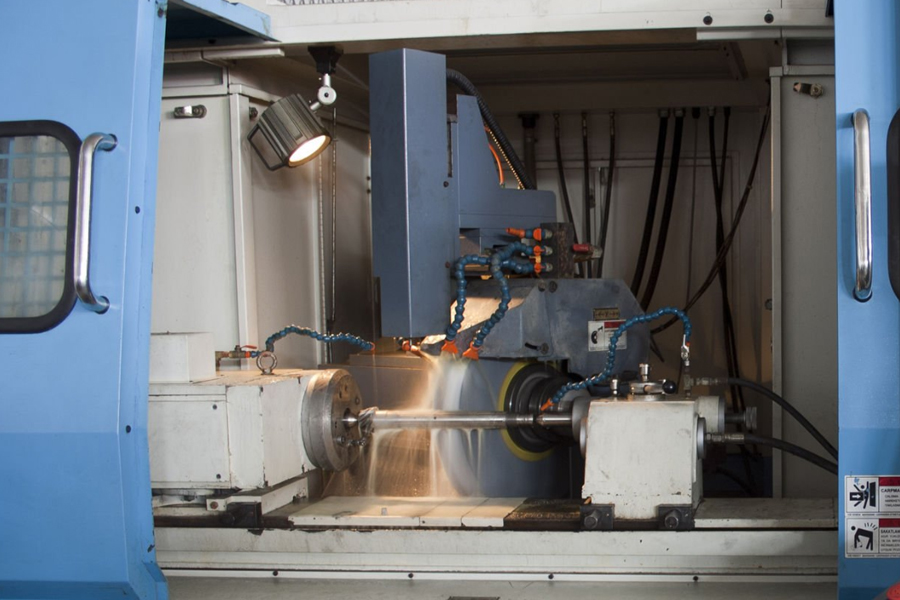
3‑axis machining is the most widely‑used CNC technology. Cutting motion is completed by X, Y and Z linear axes. The worktable stays fixed at one angle during cutting without workpiece re‑orientation. It serves as the starting point for any CNC machining process comparison.
Core Advantages
- High equipment availability, simple programming and fast setup.
- Proven stable performance for planar features, straight holes and basic profiles.
- Competitive pricing and short lead‑time, well‑suited for high‑volume standard‑component production.
It is the preferred option for simple‑structure custom precision non‑standard parts, including base plates, cover plates, general housings and tooling fixtures.
Key Limitations
Parts with inclined surfaces, angled holes, undercuts or complex curved surfaces require repeated manual re‑clamping. Each re‑fixturing introduces small positioning deviations. Cumulative errors make micron‑level accuracy difficult to achieve. This explains why 3‑axis is often unsuitable for complex parts in prototype sampling and low‑volume production.
Best for: Simple 2D‑profile parts
Not suitable for: Aerospace thin‑wall components, medical complex structures and optical precision parts
2. 3+2‑Axis Machining (Position‑Locked 5‑Axis): Balanced Mid‑Tier Option
3+2‑axis machining is frequently confused with true 5‑axis simultaneous machining, which is a major point covered in CNC machining process comparison. It is an enhanced 3‑axis variant rather than full continuous 5‑axis operation.
Two rotary axes tilt and lock the workpiece to a target angle before cutting begins. Rotary axes remain stationary throughout machining; all cutting work is executed by X‑Y‑Z axes. In short: tilt and lock, then machine in 3‑axis mode.
Core Advantages
- Multiple inclined surfaces and angled holes can be finished in one single clamping, lowering cumulative positioning error.
- Better dimensional consistency compared with pure 3‑axis work.
- Lower programming workload and manufacturing cost versus 5‑axis simultaneous machining.
- Reduced tool overhang, suppressed cutting chatter and improved surface finish.
This process delivers great value for mid‑complexity custom precision non‑standard parts, such as basic aerospace structural parts, optical instrument bases and automation tooling. It meets most mid‑to‑high‑end demands for prototype sampling and low‑volume production.
Key Limitations
Tool orientation remains fixed during cutting. It cannot dynamically follow continuous free‑form surfaces. Machining quality degrades for streamlined contours and ultra‑thin‑wall geometries.
- Best for: Parts with inclined planes and angled holes, without continuous free‑form surfaces
3. 5‑Axis Simultaneous Machining: High‑End Process for Complex Precision Parts
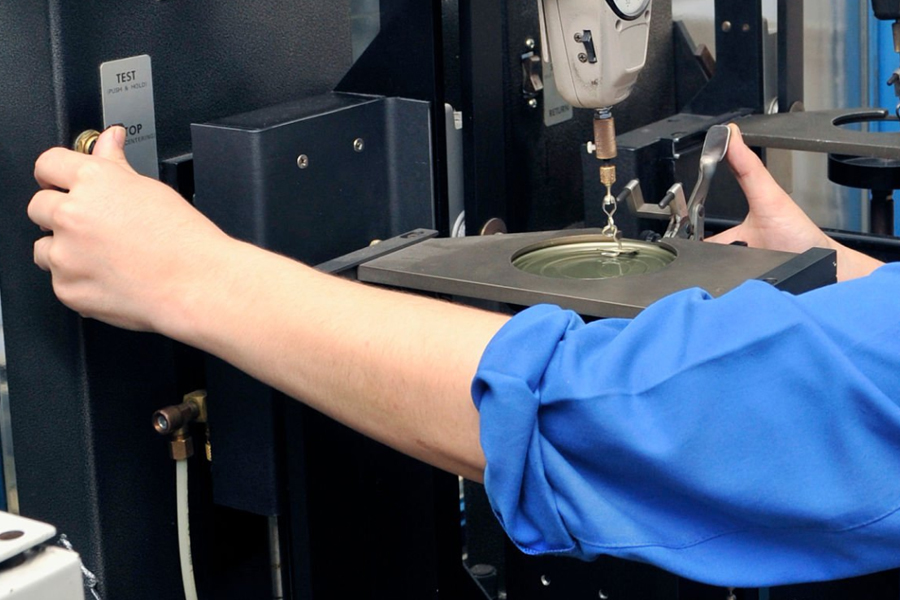
5‑axis simultaneous machining represents top‑tier precision manufacturing. X‑Y‑Z linear axes work together with two rotary axes. All five axes move
synchronously, adjusting tool posture in real‑time to follow intricate workpiece surfaces. Distinguishing it from 3+2‑axis is essential in CNC machining process comparison.
Core Advantages
- Most part features completed within one clamping setup, eliminating errors caused by repeated re‑fixturing.
- Short rigid cutting tools minimise vibration for excellent surface finish.
- Resolve typical manufacturing challenges including titanium‑alloy thin‑wall deformation; compliant with strict ASME aerospace standards.
- Deliver stable ±0.02 mm micron‑level accuracy for medical micro‑components, optical curved parts, micro‑electronics and semiconductor equipment components.
For high‑complexity custom precision non‑standard parts, 5‑axis simultaneous machining is irreplaceable. Many sophisticated prototype sampling and low‑volume production projects rely on this technology. Typical applications include aerospace components, medical titanium implants, optical assemblies and complex thin‑wall parts.
Key Limitations
Higher production costs. It places high requirements on machine accuracy, programming capability and operator experience. Applying 5‑axis machining to simple parts only increases expense without quality improvement.
- Best for: Components with continuous free‑form surfaces, thin‑wall intricate structures and tight geometric tolerances
4. Practical Process Selection Guide
The golden rule: select the most suitable process instead of the most expensive one. Balance precision requirements, quality stability, cost control and lead‑time. Insights from CNC machining process comparison will help you avoid common manufacturing pitfalls.
Select 3‑axis machining if:
- Your component only contains planes, straight holes and simple contours, without inclines, curved surfaces or undercuts.
- Fit for general‑grade custom precision non‑standard parts and mass‑volume orders.
Select 3+2‑axis position‑locked machining if:
- Your part has multiple angled holes and inclined faces but no continuous free‑form streamlined surfaces.
- Cost‑effective choice for medium‑complexity prototype sampling and low‑volume production.
Select 5‑axis simultaneous machining if:
- Your part features continuous free‑form surfaces, complex thin‑wall cavities, strict coaxiality or positional tolerances, for aerospace, medical, semiconductor or premium new‑energy industries.
- Mandatory solution for high‑spec custom precision non‑standard parts.
5. Precision Relies on Complete QC System, Not OnlyMachine Axes
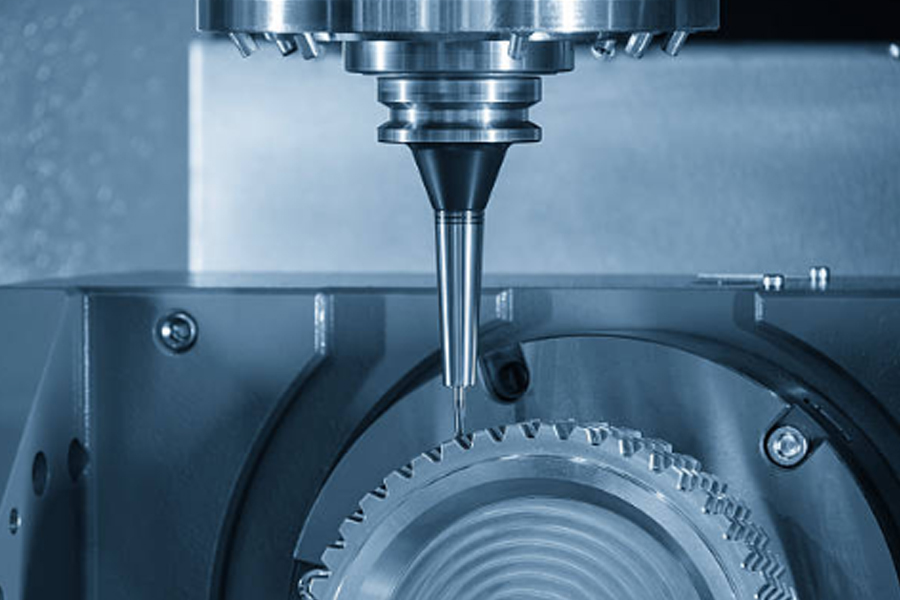
Machine‑tool axis quantity cannot guarantee final part accuracy alone. Reliable precision manufacturers conduct pre‑production DFM review. They develop customised process plans based on part geometry, tolerance, application environment and batch size. They avoid over‑specified expensive processes and also prevent risky low‑cost compromises.
Supported by imported high‑end equipment and end‑to‑end quality‑control workflows, defect rates can be kept below 0.3% to secure stable component quality.
Conclusion
In summary, CNC machining process comparison clarifies the unique positioning for each technology:
- 3‑axis machining: general‑purpose cost‑effective choice for simple‑geometry parts
- 3+2‑axis machining: balanced intermediate solution for multi‑angle components
- 5‑axis simultaneous machining: premium technology for high‑value complex‑surface non‑standard parts
When carrying out custom precision non‑standard parts and prototype sampling and low‑volume production, evaluate part geometry, accuracy specifications, industry standards and project budget. Appropriate process selection prevents rework, part rejection, cost overruns and lead‑time delays, enabling high‑quality and efficient precision manufacturing.