Request A Quick Quote

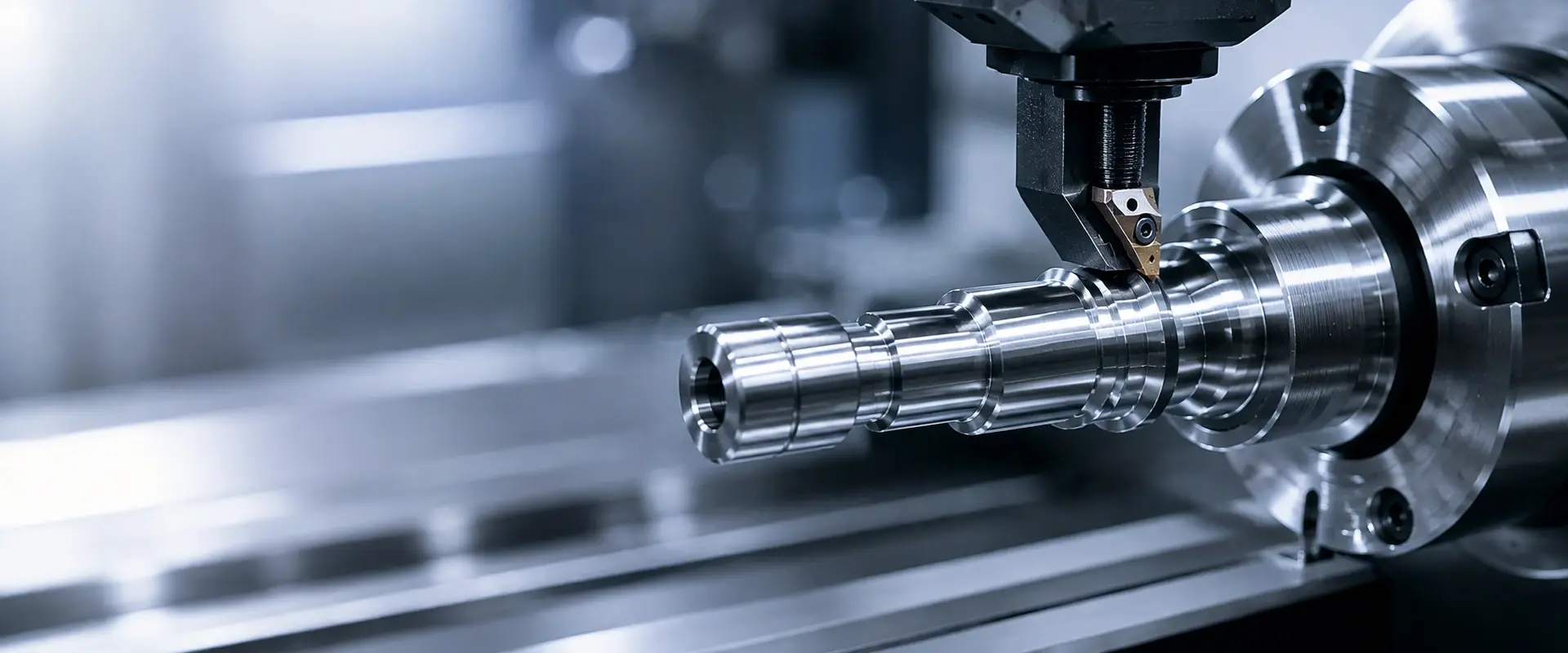
    CNC Turning Services

    CNC Turning Services

    High‑Precision Rotary & Shaft Parts Customization · Stable Concentricity & Surface Finish Guarantee

    Process Overview

    Specialized in precision machining of rotary and shaft parts, compatible with multiple materials, supporting full‑cycle delivery from prototyping to batch production.

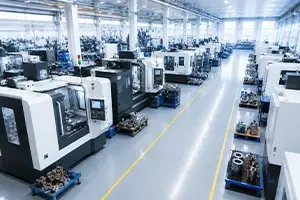
    ARES Precision Malaysia is equipped with high‑precision CNC lathes and Swiss‑type turning machines, undertaking custom machining of various rotary parts, shafts, sleeves, fasteners and other components.

    Backed by mature turning process systems, we stably ensure concentricity, circular runout and surface finish of parts, compatible with carbon steel, stainless steel, aluminum alloy, copper alloy and other materials.

    From single‑piece precision part prototyping to thousand‑piece mass production, we implement standardized full‑process quality control. Our products are widely used in high‑end sectors including medical device, aerospace, energy & power and automotive manufacturing, fully compliant with international quality system standards such as ISO 9001 and ISO 13485.
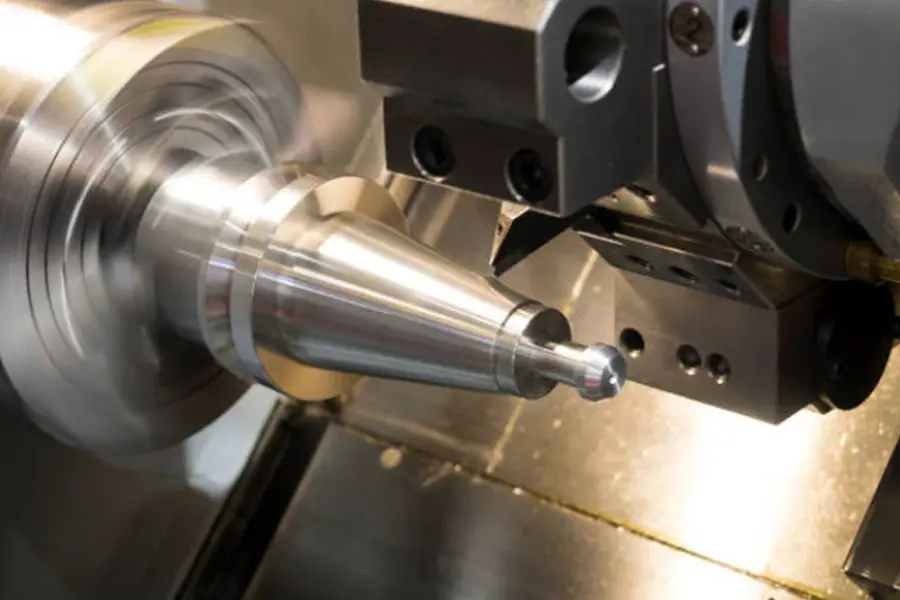
    Process Overview

    Machining Parameters

    Covering four core dimensions: machining range, geometric accuracy, equipment configuration and batch scale.
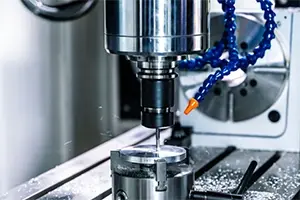
    Machining Range

    Machining Range

    Max. machining diameter: Φ300mm

    Max. machining length: 1500mm

    Machining Accuracy

    Machining Accuracy

    Dimensional tolerance up to ±0.01mm

    Concentricity up to 0.02mm

    Surface roughness up to Ra 0.8μm

    Equipment Configuration

    Equipment Configuration

    High‑precision CNC lathes and Swiss‑type turning centers

    Equipped with dedicated inspection tools such as roundness testers and micrometers

    Batch Range

    Batch Range

    From 1‑piece prototype sampling to mass production of over 1,000 pieces

    Materials and Processes

    A full range of metal materials are available, with diverse post‑processing options to meet performance and aesthetic requirements.
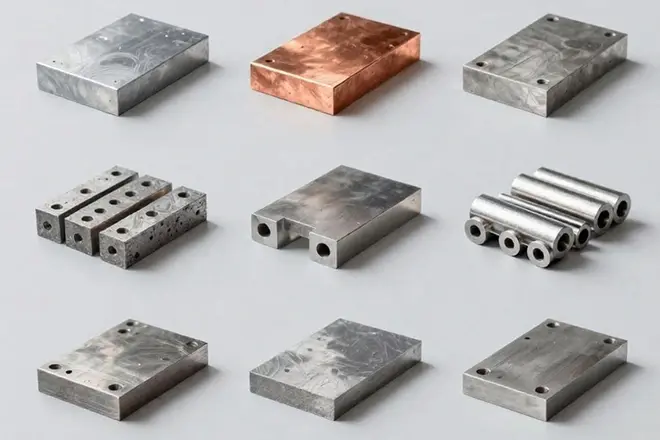
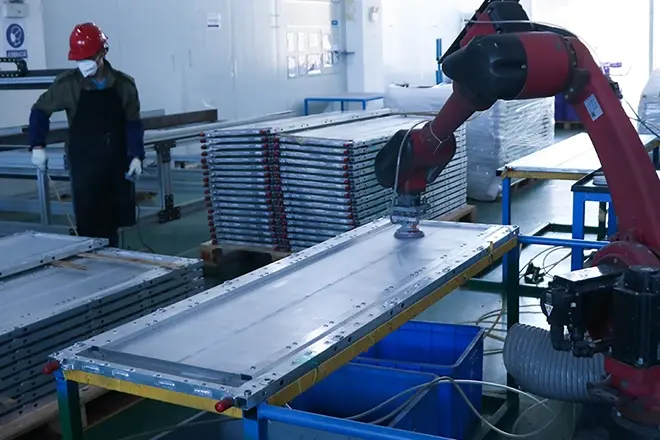
    Compatible Materials

    Compatible Materials

    • Structural Steel: Carbon steel, alloy steel, mold steel
    • Stainless and Corrosion‑Resistant: 304/316 stainless steel
    • Non‑Ferrous Light Metals: Aluminum alloy, copper alloy, titanium alloy
    • Free‑Machining: Brass, free‑cutting steel
    Surface Finishes

    Surface Finishes

    • Polishing, sandblasting, brushing
    • Zinc plating, nickel plating, chrome plating
    • Anodizing, blackening, passivation
    • Heat Treatment: Tempering, quenching

    Application Scenarios

    Suitable for precision rotary parts across multiple industries, widely used in core components for transmission, connection and adjustment.

    Core Equipment

    Full set of high‑precision turning equipment and dedicated inspection devices ensures precision stability across the entire production and inspection chain.
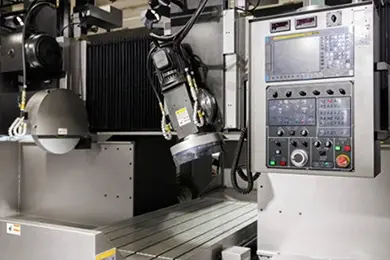
    5‑Axis Simultaneous Machining Centers

    High‑Precision CNC Lathes

    Suitable for batch machining of conventional shaft parts and rotary components
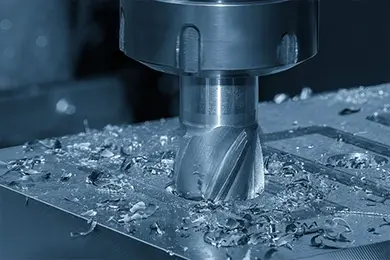
    High‑Precision 3‑Axis Milling Machines

    Swiss‑Type Turning Centers

    Ideal for efficient, high‑precision machining of slender shafts and small precision parts
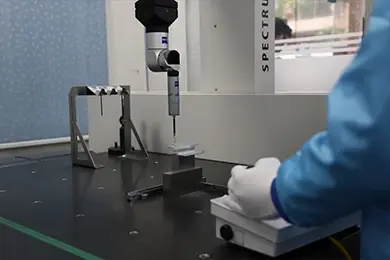
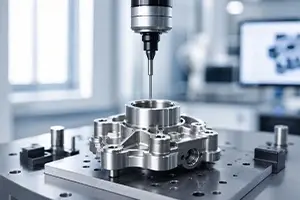
    Coordinate Measuring Machines (CMM)

    Roundness & Geometric Tolerance Testers

    Accurately inspect geometric tolerance indicators such as concentricity and circular runout

    Quality Control System

    Four quality control nodes cover the entire workflow, ensuring stable precision, compliance and full traceability for every batch of parts

    1

    Drawing Review & Process Confirmation

    The programming team conducts pre‑assessment of process feasibility to define the optimal machining solution.

    2

    First Article Inspection (FAI)

    Full‑dimensional inspection is performed on the first article. Batch production will only commence after the first article passes qualification.

    3

    In‑process Patrol Inspection

    Regular sampling inspections are carried out during production to monitor the stability of dimensional accuracy and surface quality.

    4

    Finished Product Final Inspection

    Full‑dimensional re‑inspection is conducted before shipment, with an official inspection report issued to ensure batch‑wide compliance.


    Frequently Asked Questions

    Answers to common CNC milling queries to resolve your project concerns quickly

    Q: What types of parts are suitable for CNC turning? +
    CNC turning is mainly applicable to rotary parts, including various shafts, sleeves, pin shafts, fasteners, joints, valve bodies and other components. It is the mainstream processing technology for parts with circular cross‑sections.
    Q: How to avoid deformation during the processing of long shaft parts? +
    We customize clamping solutions according to the length‑diameter ratio of parts. Auxiliary tooling such as follow rests and tailstocks are adopted, together with layered cutting and controlled cutting volume processes to minimize processing deformation.
    Q: What is the difference between swiss turning and conventional turning? +
    Swiss turning is suitable for slender shafts and small precision parts. With moving materials and fixed tools during processing, it delivers superior concentricity and surface quality, ideal for mass production of small high‑precision parts. Conventional lathes are more suitable for large‑diameter and standard‑length parts with a wider range of applications.
    Q: Can turning parts be strengthened by heat treatment? +
    Yes. We provide supporting heat treatment processes including quenching and tempering, hardening and carburizing to improve the hardness, wear resistance and mechanical properties of parts, making them applicable for high‑load and high‑wear working scenarios.
    Q: What accuracy and surface roughness can CNC turning achieve? +
    Standard CNC turning can reach a dimensional accuracy of ±0.02mm, and precision turning can achieve a high accuracy of ±0.005mm. The conventional surface roughness can reach Ra1.6μm, and it can be optimized to Ra0.8μm or below through finish turning and polishing, meeting high‑precision requirements for precision assembly, sealing and transmission applications.
    Q: Does CNC turning support small‑batch prototyping and mass production? +
    Absolutely. We support single‑piece prototyping, small‑batch trial production and large‑scale mass production. With highly adaptable equipment and mature processes, we guarantee short lead times for prototyping and stable mass production quality. We ensure consistent part dimensions, on‑time delivery and reliable product quality to meet various project needs including R&D trial production and batch supply.