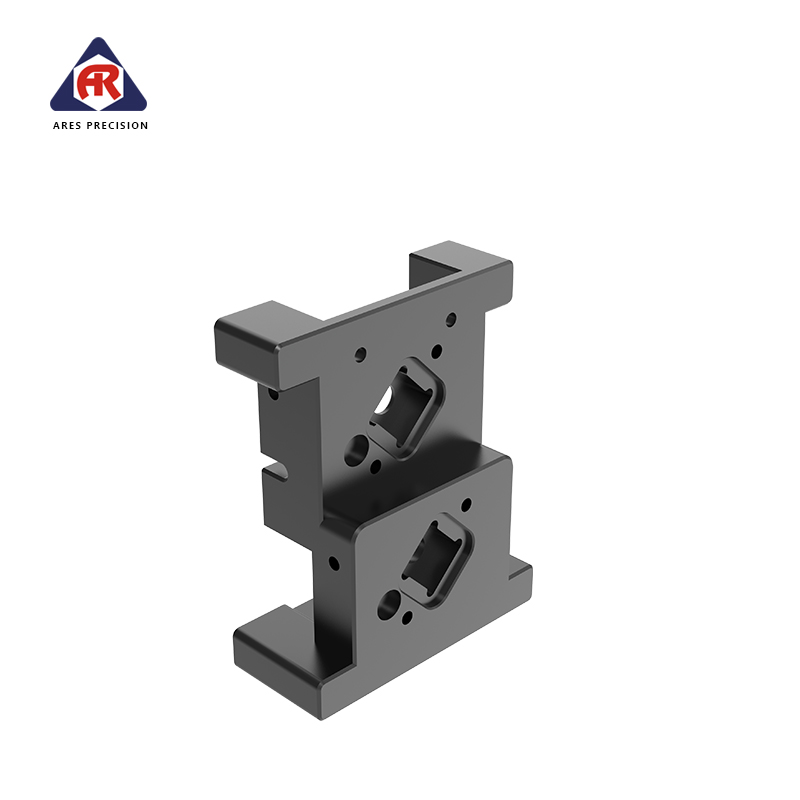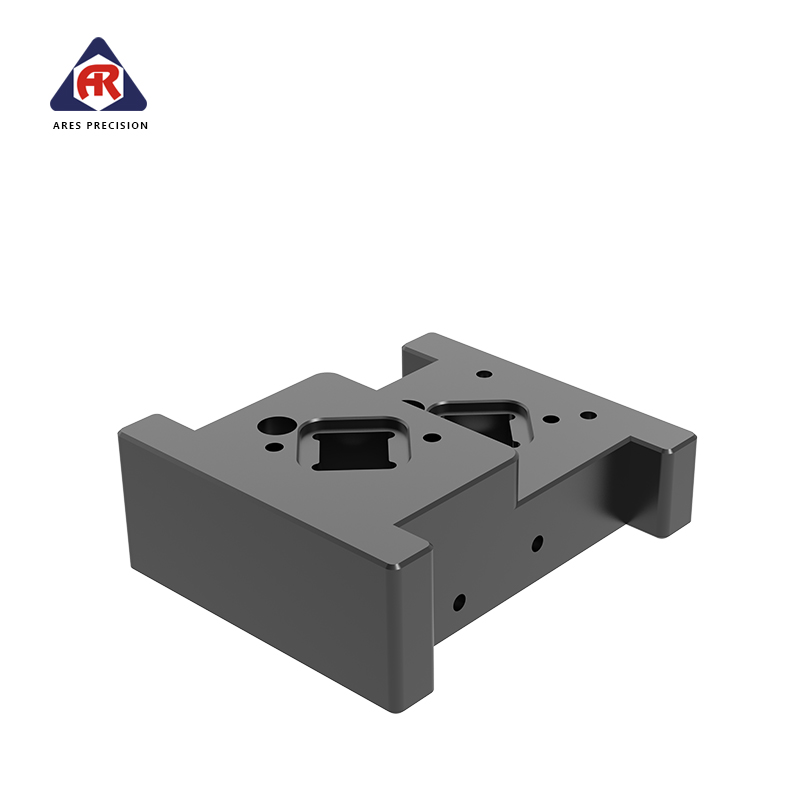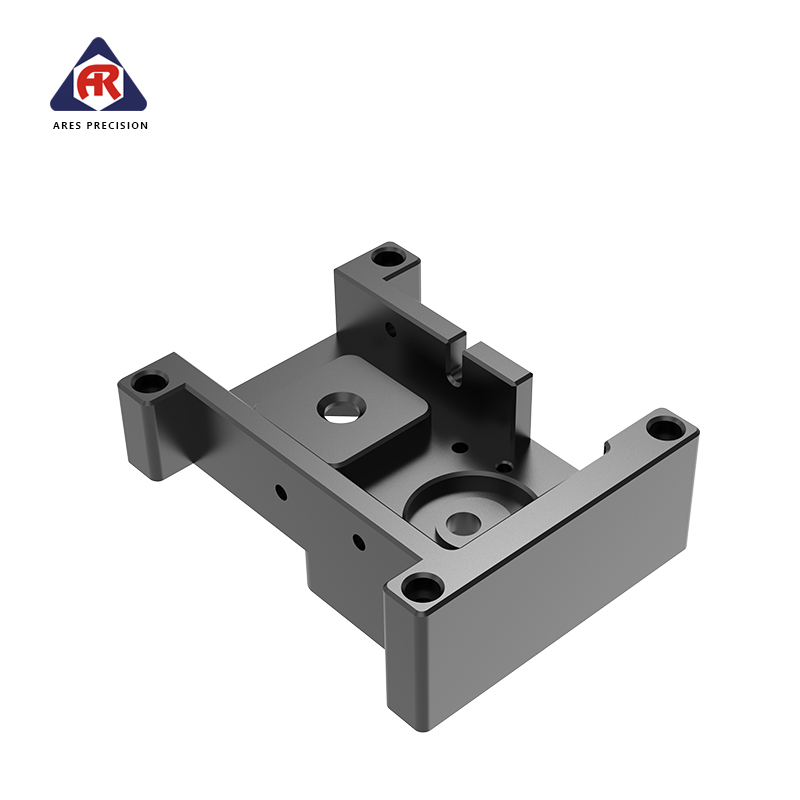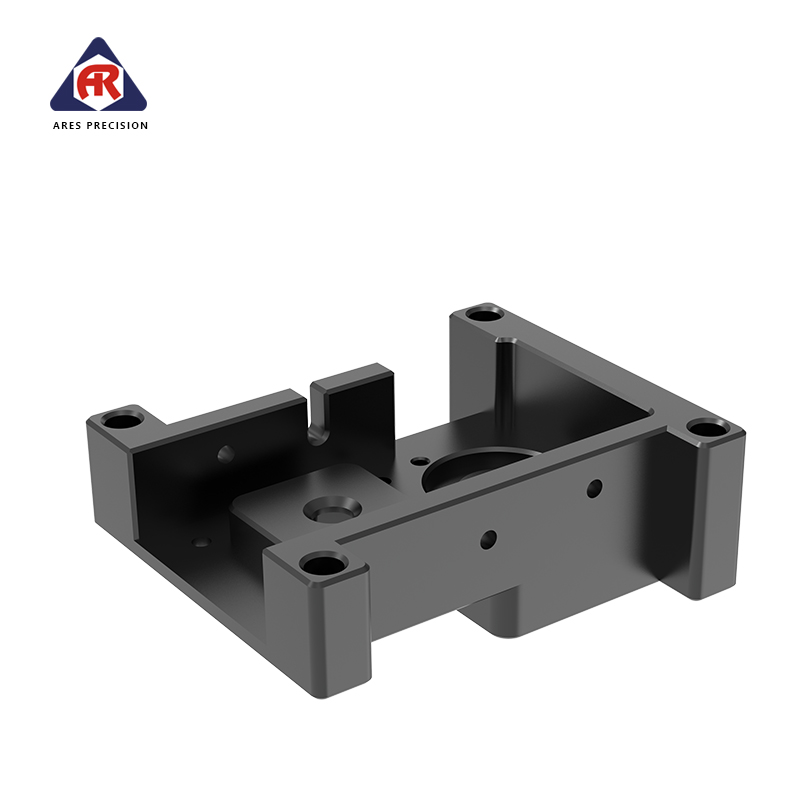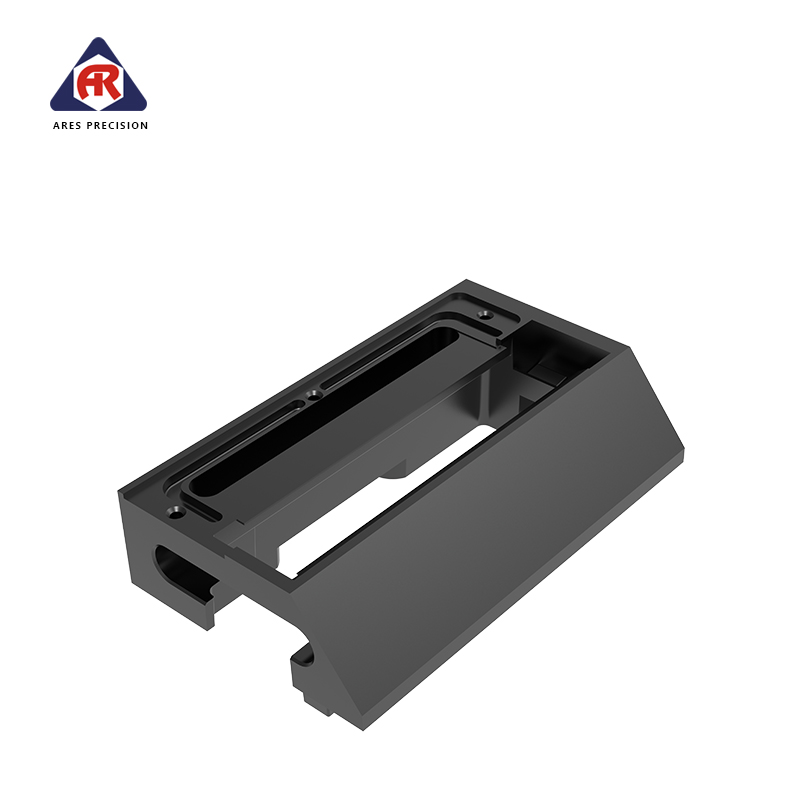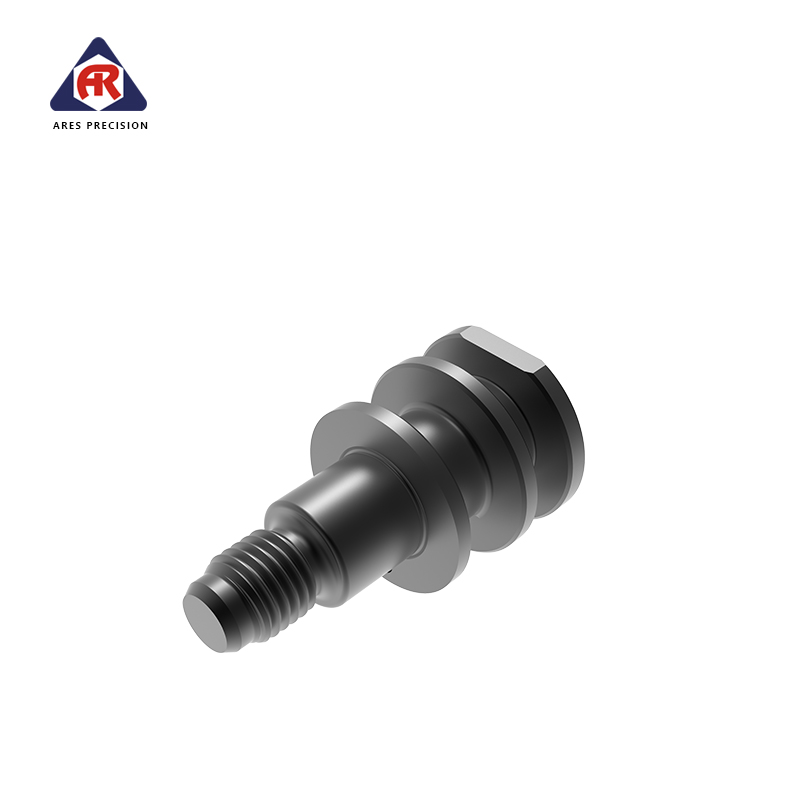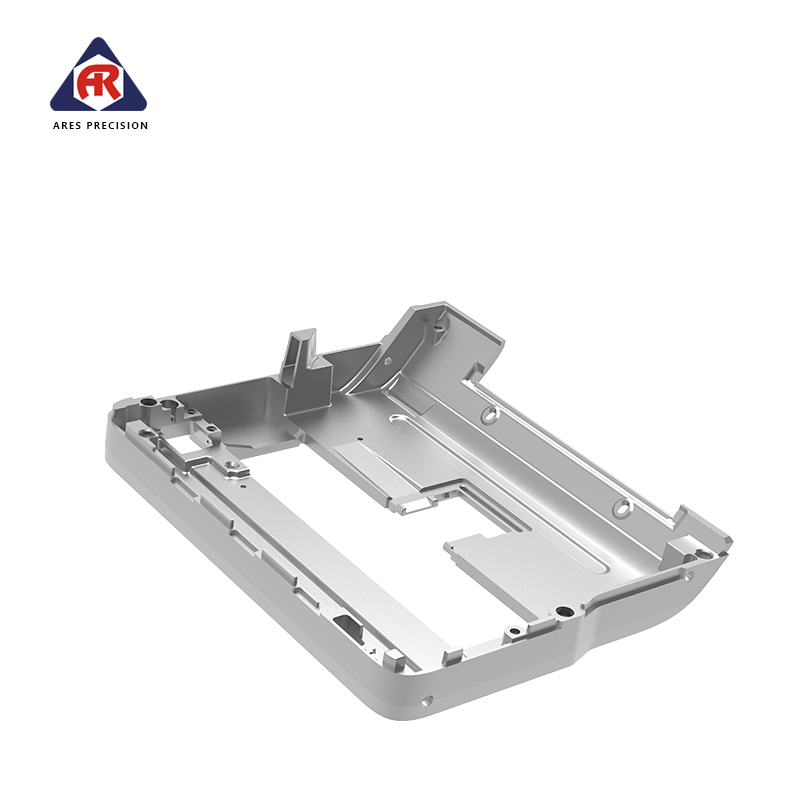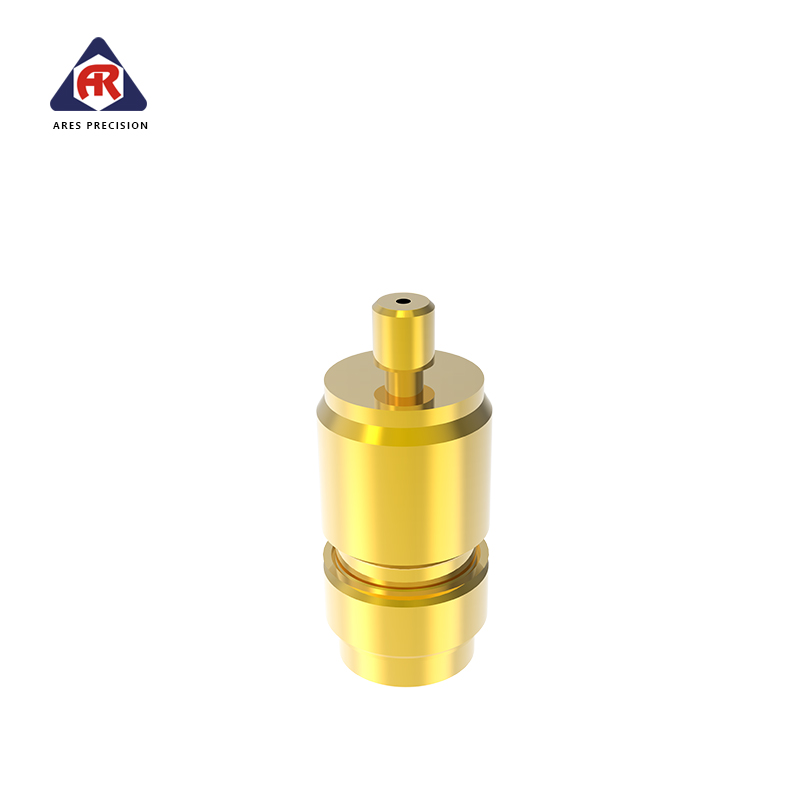
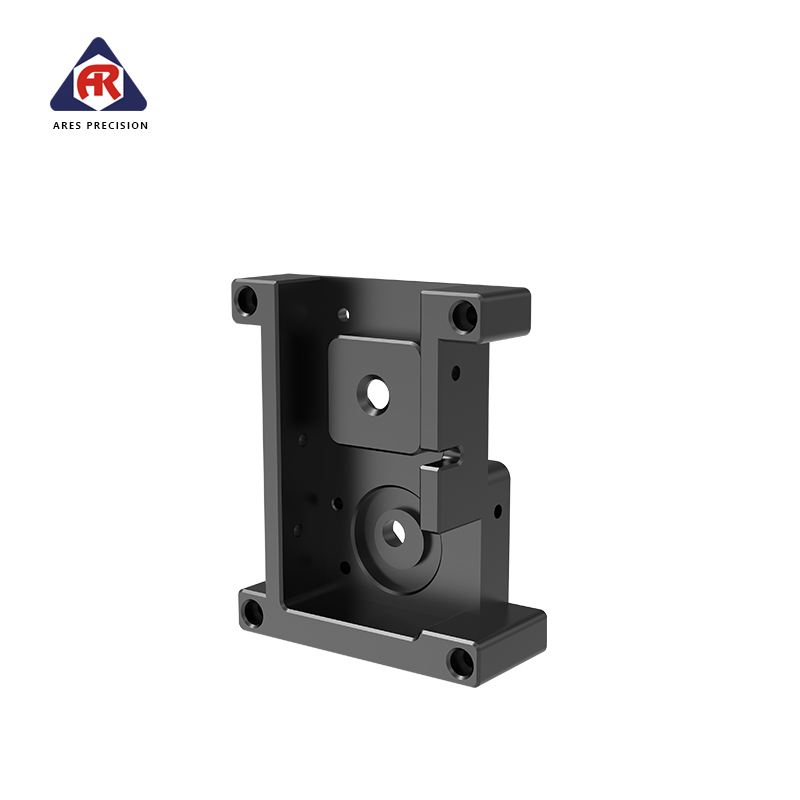
The Transmission Component Fixing Bracket is a high‑strength precision structural support part widely used in automated production lines, motion‑control systems, robotic equipment, conveyor machinery and test‑fixture assemblies. This transmission component fixing bracket serves as a stable mounting base for gears, bearing seats, drive shafts, reducers and other transmission accessories. It effectively restrains displacement, absorbs vibration and maintains accurate relative positions among multiple transmission parts. Poor fixation will lead to shaft deflection, abnormal noise, accelerated wear and even premature failure of the whole transmission system. Well‑made transmission component fixing brackets can greatly improve equipment running stability and extend the service life of core transmission assemblies.
We adopt ISO 2768‑mk dimensional tolerance standards for the transmission component fixing bracket. This standard controls flatness, hole‑position accuracy and assembly tolerance, minimizing installation deviation during on‑site assembly.
Rigidity and structural stability are the most critical performances of the transmission component fixing bracket. Optimized structural design avoids local stress concentration under dynamic load and continuous vibration. Reinforced ribs are added on key stress areas for most versions, which enhance overall rigidity without excessive weight increase. Multiple distributed mounting holes are pre‑machined on both the base and supporting surface. Engineers can directly fasten bearings, shaft housings and other transmission components onto the bracket using standard bolts, without extra on‑site cutting or re‑drilling.
Transmission Component Fixing Bracket
All contact mounting surfaces are finely milled to guarantee flatness. Flat supporting surfaces ensure close fitting between the bracket and matched transmission parts, preventing loose bolts caused by gap vibration. Every edge and hole is fully deburred, removing sharp burrs generated during machining. Debur‑ring treatment protects operators during assembly and stops tiny metal scraps from dropping into transmission gaps to scratch moving parts. Different from ordinary general‑purpose brackets, this transmission‑dedicated fixing bracket reserves avoidance grooves and positioning features according to transmission‑assembly requirements, which can perfectly match the outline of shafts, bearings and reducers.
Material selection directly determines the load‑bearing capacity and anti‑vibration performance of the transmission component fixing bracket. Common optional raw materials include 6061‑T6 aluminum alloy, 5052 aluminum alloy and 45# steel. Aluminum alloy brackets feature light weight, good anti‑corrosion performance and easy processing, suitable for light‑to‑medium‑load automation modules where weight reduction is required. 45# steel options provide higher strength and rigidity, ideal for heavy‑load, high‑vibration working conditions such as large‑size conveyor equipment and heavy‑duty transmission stations.
The transmission component fixing bracket is mainly produced by CNC milling, with partial turning, tapping and drilling processes. CNC machining ensures high accuracy for mounting hole positions, mounting‑surface flatness and locating features. Thread holes are precisely tapped to guarantee smooth bolt installation. For steel‑material brackets, heat‑treatment support is available to improve hardness and anti‑deformation performance. A variety of surface‑finishing solutions can be selected according to application environments. Hard anodizing, sandblasting for aluminum parts, black oxide and zinc plating for steel parts can effectively resist oxidation and rust, greatly improving service life in humid or dusty workshop environments. Surface treatment will not damage key assembly dimensions.
The transmission component fixing bracket supports comprehensive non‑standard customization. Apart from conventional ready‑made specifications, we can adjust overall outline, base thickness, reinforcing‑rib layout, hole‑distribution mode and locating‑groove size according to customer 2D drawings or 3D models. Special requirements such as avoidance cutouts, pin‑positioning holes and anti‑rotation structures can also be realized. Whether you need small‑batch prototype brackets for equipment R&D, or large‑volume mass‑production components for formal production lines, stable‑quality machining solutions are available.
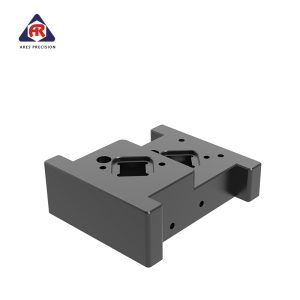
This transmission component fixing bracket has extensive application scenarios. It is commonly used to fix bearing blocks, drive‑shaft assemblies, small reducers and gear sets on automatic assembly machines and conveying equipment. It is also widely adopted in robot peripheral fixtures, laboratory test platforms and automated testing equipment. With reliable structural support, this bracket reduces vibration deviation of transmission parts, lowers equipment failure rate and simplifies mechanical‑structure design. If you are looking for durable, high‑precision mounting supports for your transmission assemblies, this transmission component fixing bracket will be your reliable choice.
A: 6061‑T6 / 5052 aluminum alloy for light‑medium load; 45# steel for heavy‑load and high‑vibration scenarios.
A: Yes. Custom shape, thickness, hole layout and special features are supported, please provide drawings for quotation.
A: Hard anodizing, sandblasting for aluminum; black oxide, zinc plating for steel brackets.
A: We follow ISO 2768‑mk standard, high‑precision tolerance can be achieved for key mounting surfaces and holes.