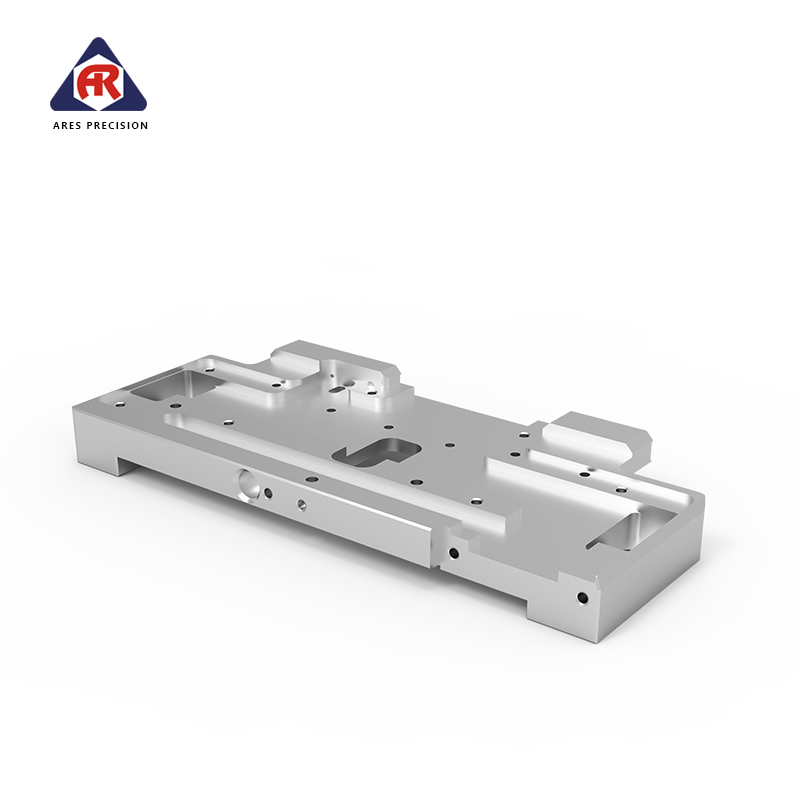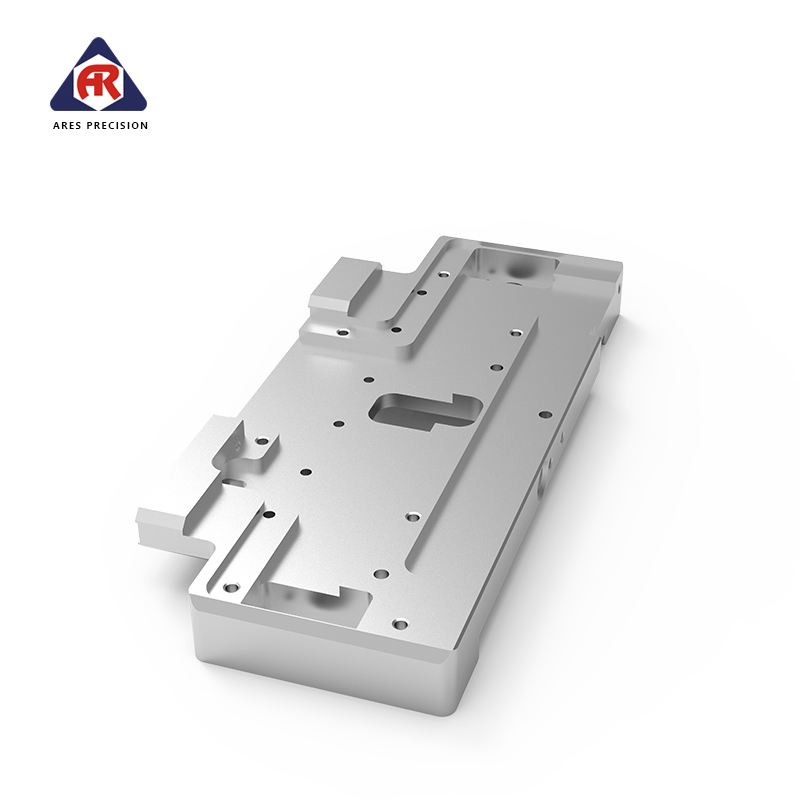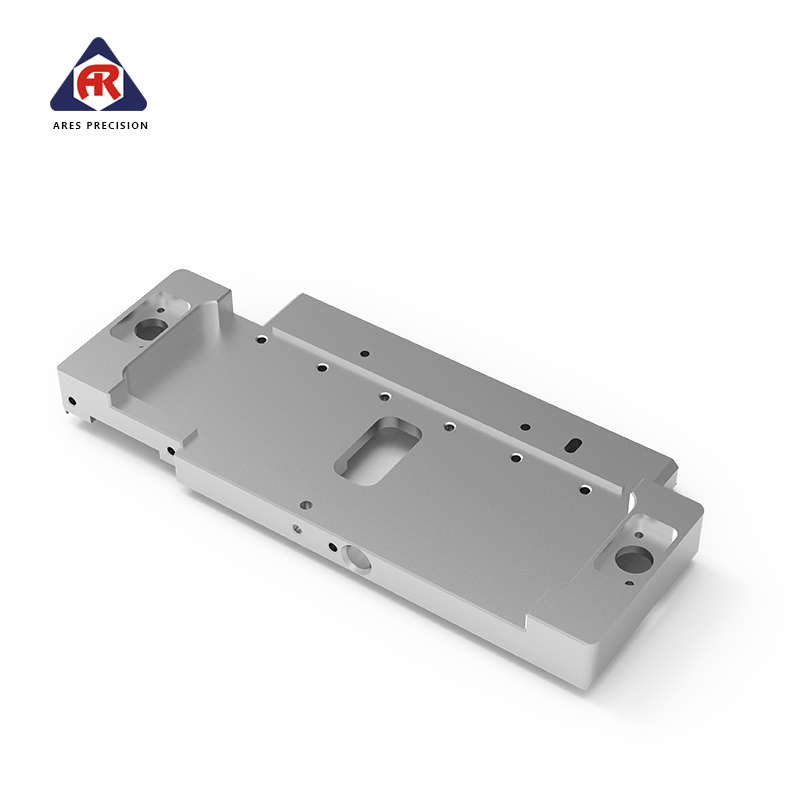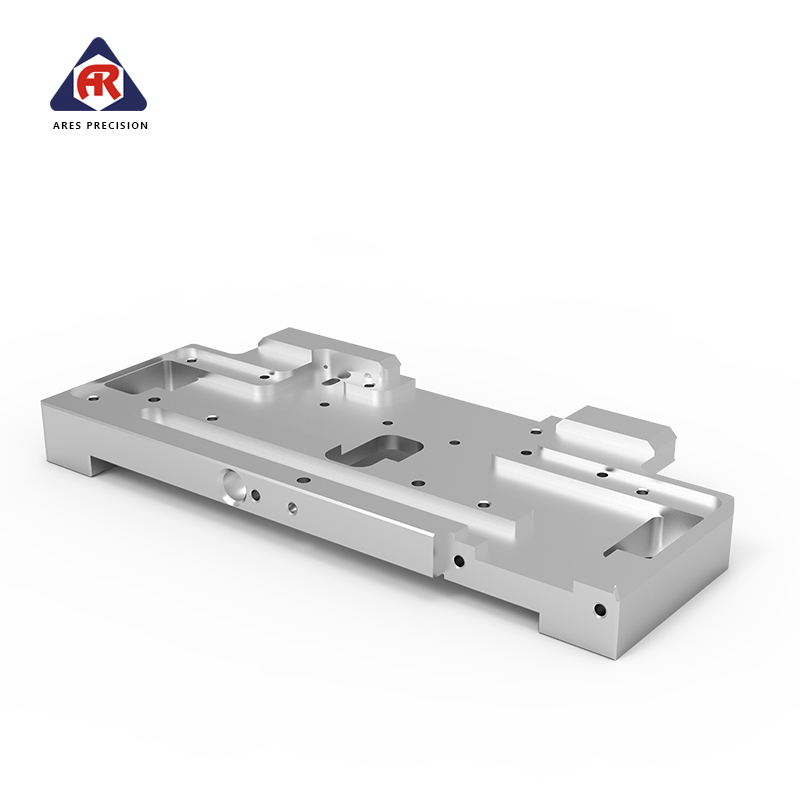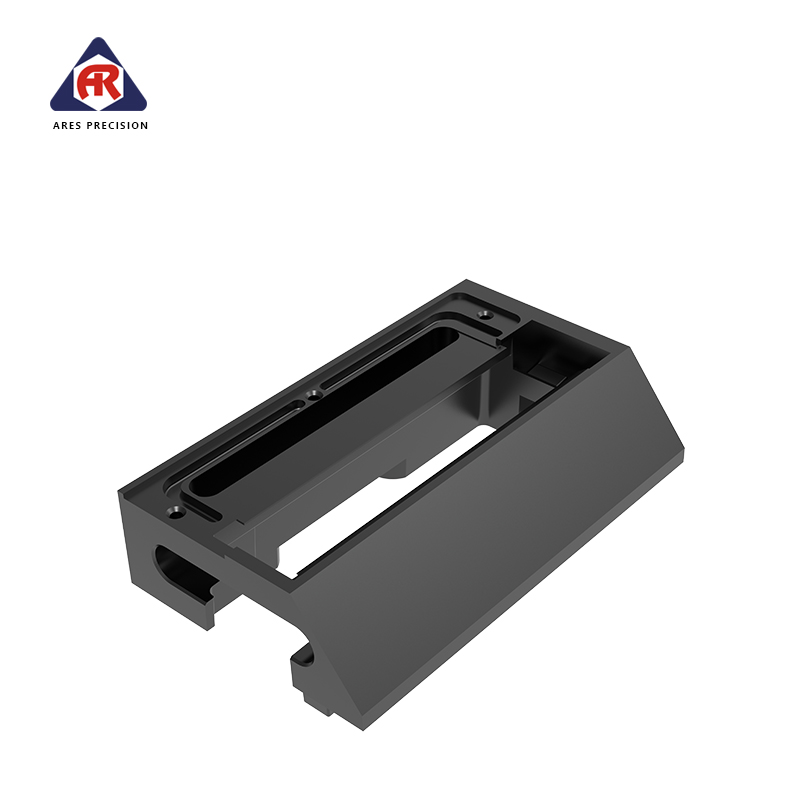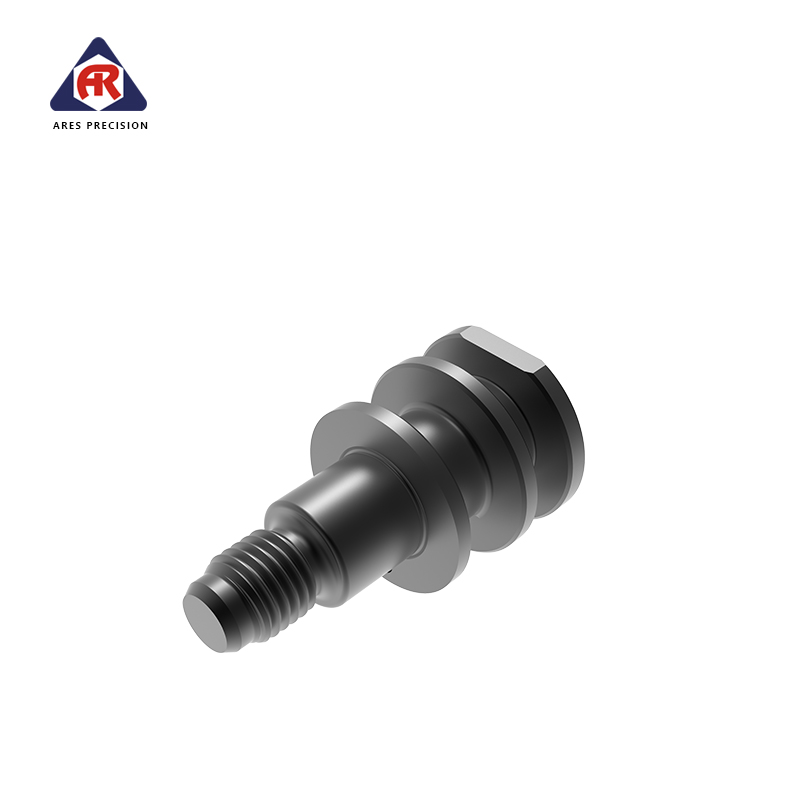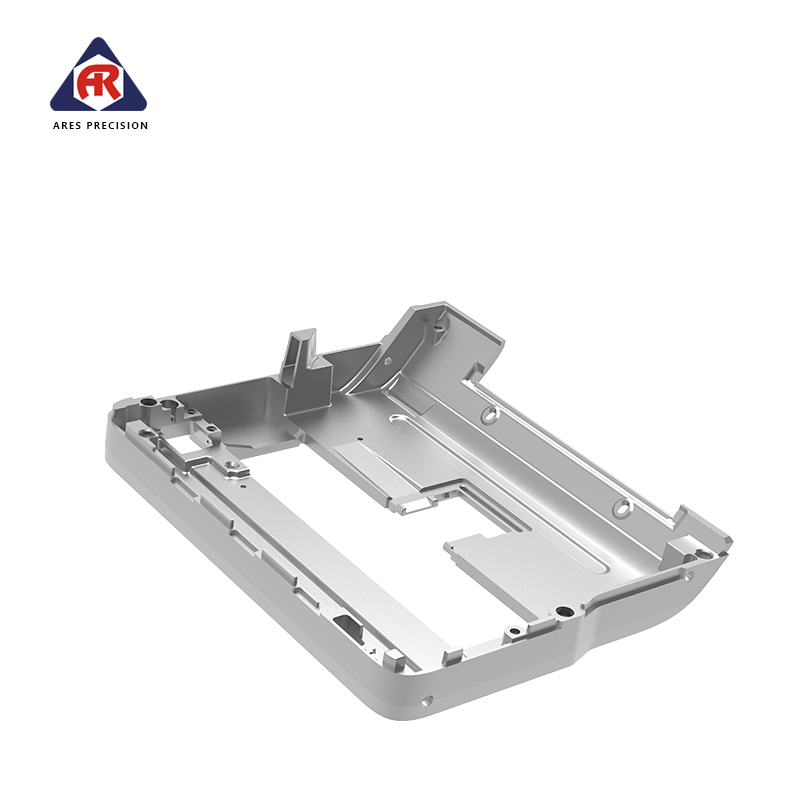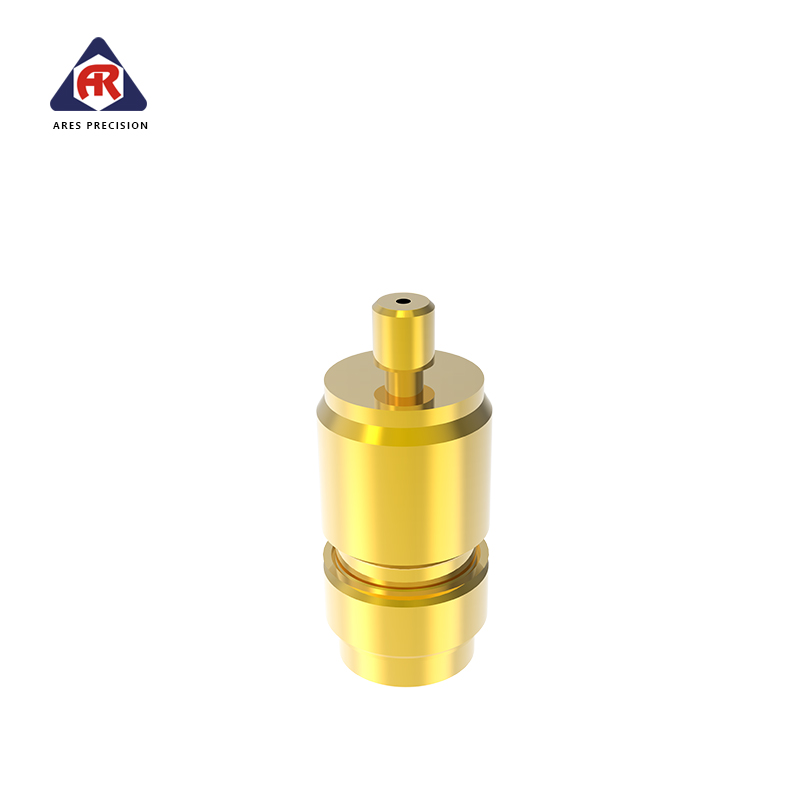
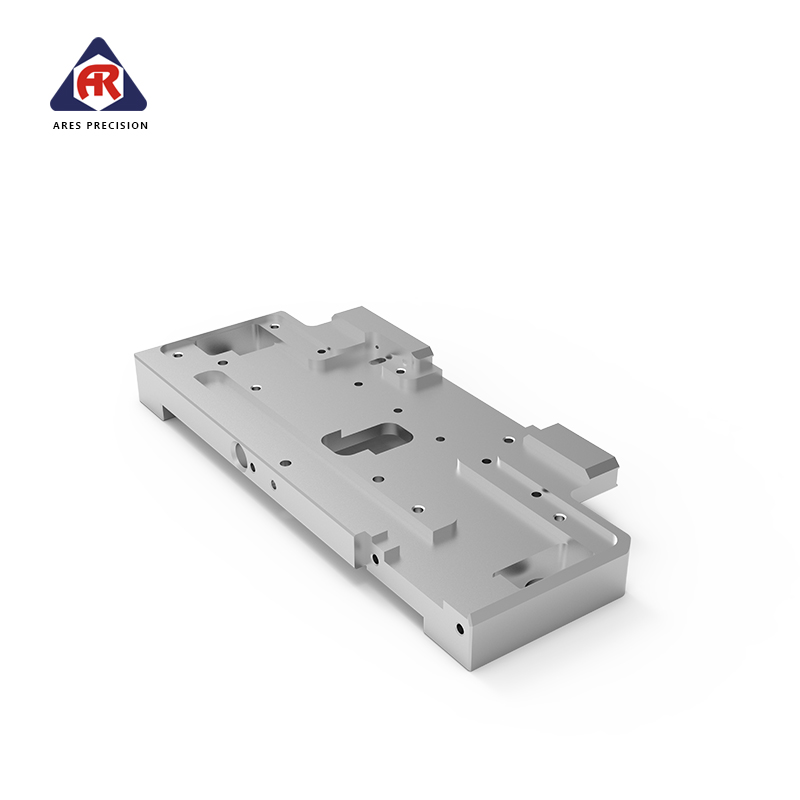
The Module Sliding Mounting Base is a precision mechanical positioning component specially designed for modular equipment installation and linear adjustment. Widely applied in automated assembly stations, motion‑control modules, testing jigs, conveyor systems and robotic auxiliary structures, this module sliding mounting base provides flexible linear displacement and reliable locking performance for various functional modules.
It allows engineers to fine‑tune the installation position of sensors, actuator units, transmission assemblies and processing modules without re‑drilling or modifying the equipment frame. Poor‑quality sliding bases often suffer from jitter, loose locking and uneven sliding clearance, which directly affect positioning repeatability and the overall accuracy of automated equipment. A well‑manufactured module sliding mounting base guarantees smooth movement, stable locking and long‑term dimensional stability for modular mechanical systems.
All key dimensions of the module sliding mounting base are manufactured in accordance with ISO 2768‑mk general tolerance standards. This industrial standard effectively controls flatness, hole‑position tolerance and matching clearance, reducing assembly errors and ensuring interchangeability for batch‑produced parts.
The core value of the module sliding mounting base lies in its combination of sliding adjustability and fixed‑position locking function. The base consists of a fixed bottom seat and a movable sliding platform. Precision‑processed linear guide grooves or slide matching surfaces are reserved between the two parts to ensure smooth linear reciprocating motion. The sliding surface adopts fine milling treatment to reduce friction resistance, avoid jamming and stuttering during position adjustment, and realize stable manual or auxiliary‑driven displacement.
Multiple long‑strip adjustment slots are pre‑fabricated on the base body. After the module is adjusted to the target position, users can lock the movable platform tightly by tightening standard bolts. The locking structure can resist vibration impact generated during equipment operation and prevent position drift in long‑time running. Distributed mounting holes are set on both the fixed base and sliding platform. The bottom holes are used for fixing the whole base onto the equipment frame, while upper‑surface holes are for installing functional modules. No secondary cutting or hole‑opening work is required on‑site.
All sharp edges, thread holes and sliding contact surfaces are fully deburred. Burr‑free processing prevents scratches during assembly and avoids metal debris falling into the sliding clearance to cause blockage or premature wear. Reason‑avoidance notches and positioning stop surfaces are reserved on the base according to modular installation demands, which can adapt to the outline of different modules and limit the over‑travel of sliding displacement.
Different working scenarios put forward diversified requirements for strength, weight and wear resistance of the module sliding mounting base. The mainstream optional materials are 6061‑T6 aluminum alloy, 5052 aluminum alloy and 45# steel. Aluminum alloy versions feature light weight, good machinability and moderate rigidity, which are widely used in light‑and‑medium‑load automation modules with frequent position adjustment. 45# steel material offers higher structural rigidity and anti‑wear performance, suitable for heavy‑load modules, high‑vibration environments and occasions requiring high locking stability.
Main processing technologies include CNC milling, drilling, tapping, precision grinding for matching sliding surfaces. CNC machining ensures high flatness of sliding contact surfaces and high position accuracy of mounting holes and adjustment slots. Thread holes are precisely tapped to guarantee smooth bolt assembly. For steel‑made bases, partial heat‑treatment is optional to improve surface hardness and wear resistance. Multiple surface‑finishing options are available to adapt to different working environments. Aluminum alloy can choose hard anodizing or sandblasting treatment to improve surface hardness and anti‑oxidation capacity. Steel parts support black oxide or zinc plating to realize rust‑proof performance in humid and dusty workshop conditions. Surface treatment will not damage key matching dimensions of sliding surfaces.
The module sliding mounting base supports comprehensive non‑standard customization. Beyond standard specifications, we can customize overall outline size, sliding stroke, adjustment‑slot layout, mounting‑hole distribution, stop‑limit structure and avoidance cutouts according to customers’ 2D drawings or 3D files. Special‑function structures such as positioning pin holes and scale‑marking grooves can also be added. Whether you need small‑batch prototype samples for equipment research and development or mass‑produced components for formal production lines, reliable CNC machining solutions can be provided.
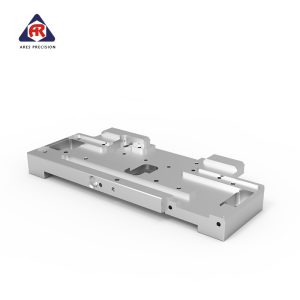
This sliding mounting base has broad application ranges in mechanical automation. It is commonly used for installing and adjusting sensor modules, processing actuator units, small transmission assemblies and test fixtures on automatic production equipment. It is also frequently adopted in robot auxiliary stations, laboratory test platforms and sorting‑conveyor equipment. By realizing convenient position fine‑tuning and firm locking, it simplifies mechanical design work, shortens equipment debugging cycles and lowers the failure risk caused by position offset. If you are searching for high‑precision adjustable installation supports for modular mechanical units, this module sliding mounting base will be your practical choice.
A: 6061‑T6 / 5052 aluminum alloy for light‑medium‑load scenarios; 45# steel for heavy‑load and high‑vibration working conditions.
A: Yes. Custom stroke, dimension, hole layout and limit structures are supported. Please provide drawings for quotation.
A: Hard anodizing, sandblasting for aluminum; black oxide, zinc plating for steel bases.
A: Processed according to ISO 2768‑mk standard; higher precision tolerance is available for key sliding surfaces.