


In the operating room of a top-tier hospital, a laparoscopic device is performing minimally invasive surgery. The precise rotation of its lens and the stable operation of its instruments rely on the coordinated work of dozens of internal precision components. These components not only determine the operational accuracy of the equipment but also directly affect the patient’s safety during diagnosis and treatment. As the core carrier of the medical industry, the performance stability of medical equipment has always been a key focus of the market.
However, many medical equipment manufacturers often face a dilemma when procuring precision components: the selected materials seem to meet the requirements, but corrode after repeated sterilization; the component’s initial precision meets the standards, but after several months of use, it experiences slight drift, affecting diagnostic results. So, how should precision components for medical equipment be selected? How to match material and precision requirements?
What are the core pain points in selecting precision components for medical equipment? The special operating environment of medical equipment requires frequent contact with disinfectants, bodily fluids, or high-temperature sterilization processes, which places stringent requirements on the materials and manufacturing processes of the components. Many manufacturers fall into two common pitfalls when selecting components: First, they excessively pursue low costs, using ordinary stainless steel instead of medical-grade 316L, leading to rust spots after sterilization and violating medical standards. Second, they neglect the long-term stability of precision; some suppliers’ processing equipment lacks precision, resulting in gaps after component assembly and affecting the smooth operation of the equipment. Furthermore, unstable supplier delivery cycles can delay equipment production and increase inventory pressure for companies.
Comparison of the Performance of Precision Components Made of Different Materials in Medical Scenarios
The choice of materials for precision components in medical equipment must be based on the intended use case. Medical-grade 316L stainless steel has good biocompatibility and corrosion resistance, making it suitable for surgical instruments or components in equipment requiring frequent sterilization, but it is relatively heavy. Titanium alloys have hi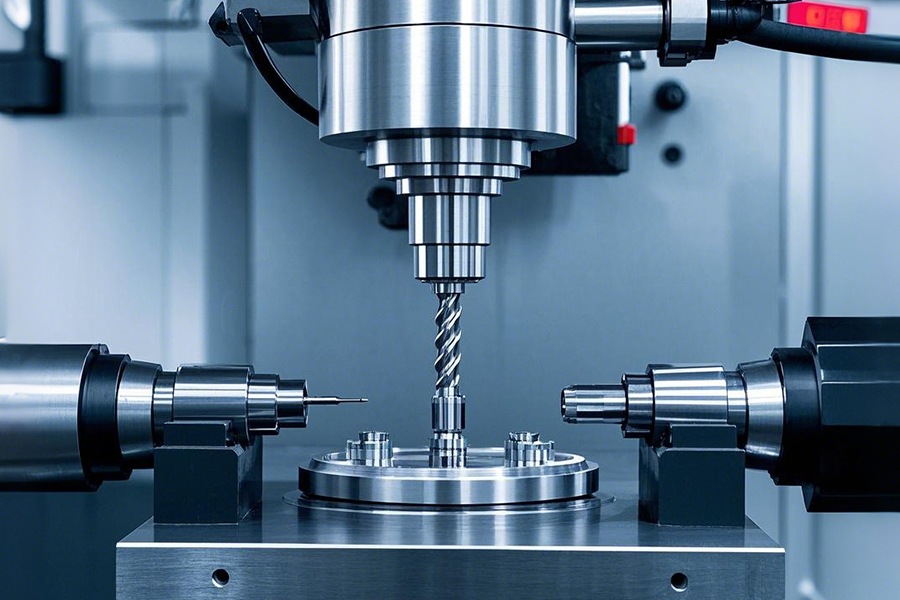 gh strength and low density, making them suitable for components in implantable devices or lightweight diagnostic instruments, but they are more difficult to process and relatively more expensive. PEEK materials are heat-resistant and have good insulation properties, making them suitable for insulating components in medical electronic devices, but strict temperature control is required to avoid deformation. In comparison, each material has its applicable scope; there is no absolute superiority or inferiority. The key is whether it matches the specific needs of the equipment.
Key Principles and Process Requirements for Machining Precision Components in Medical Equipment
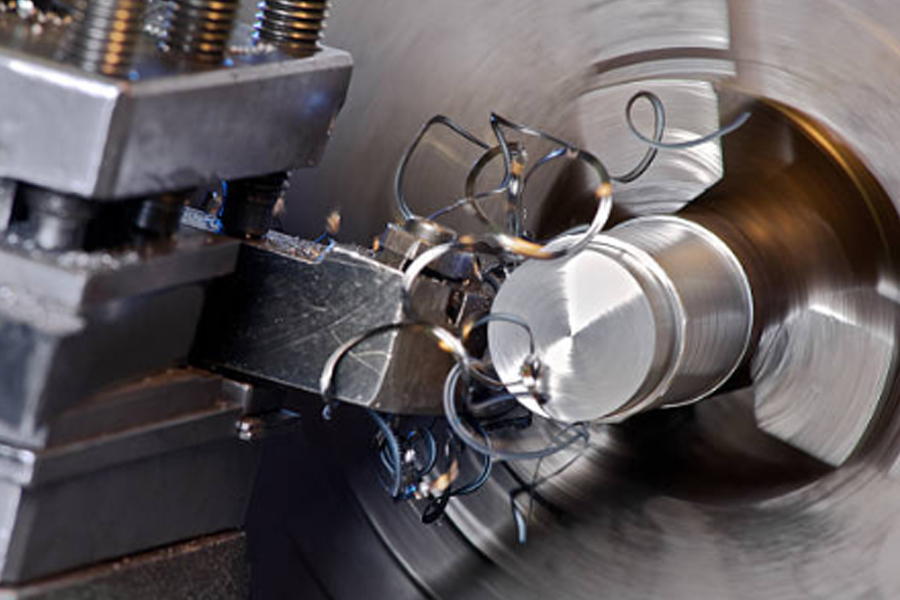
The machining accuracy of precision components primarily depends on the stability of the equipment and the control of the process. CNC machining centers are commonly used, with accuracy control within ±0.005mm. However, machining must be performed in a temperature-controlled workshop (temperature fluctuation not exceeding ±1℃) to minimize thermal deformation of the material. Surface treatment processes are also crucial. For example, passivation improves the corrosion resistance of stainless steel parts, while polishing reduces bacterial adhesion to the surface. Furthermore, each part must undergo coordinate measuring machine (CMM) inspection before leaving the factory to ensure dimensional accuracy meets design requirements, preventing errors in individual parts from affecting the overall performance of the equipment.
How High-Quality Precision Components Improve the Effectiveness of Medical Equipment
Precision components with matching materials and precision can directly improve the effectiveness of medical equipment. For example, infusion pump parts made of medical-grade 316L stainless steel can have a service life extended by more than 30%, reducing equipment maintenance frequency; diagnostic instrument parts with stable precision can control the deviation of test data within 0.1%, improving the accuracy of diagnostic results. Furthermore, parts that meet medical standards can reduce equipment failure rates, minimize hospital downtime, and improve diagnostic and treatment efficiency.

Core Advantages and Market Trends of Professional Manufacturers of Precision Parts
Professional manufacturers possess several advantages in producing precision parts for medical equipment. Their automated production lines utilize imported five-axis CNC equipment, ensuring the durability of core components and maintaining stable machining accuracy over long periods. Their R&D teams have over 10 years of industry experience and can customize material and process solutions according to customer equipment requirements. Simultaneously, the manufacturers have established partnerships with several well-known domestic medical equipment companies, and all delivered parts undergo rigorous quality testing, gaining customer approval. From a market trend perspective, with the rapid development of the medical equipment industry, the global medical equipment market reached $594.7 billion in 2023, leading to a corresponding increase in demand for precision parts. Professional manufacturers’ standardized production and customized services better meet the high standards required by the market.
How to quickly find a qualified precision parts supplier? When selecting a precision parts supplier for medical devices, three key points should be considered: 1. Does the supplier have the qualifications and processing capabilities to procure medical-grade materials? 2. Does the supplier possess a comprehensive quality inspection system to ensure parts meet precision standards? 3. Can the supplier provide customized services to match the specific needs of the equipment?